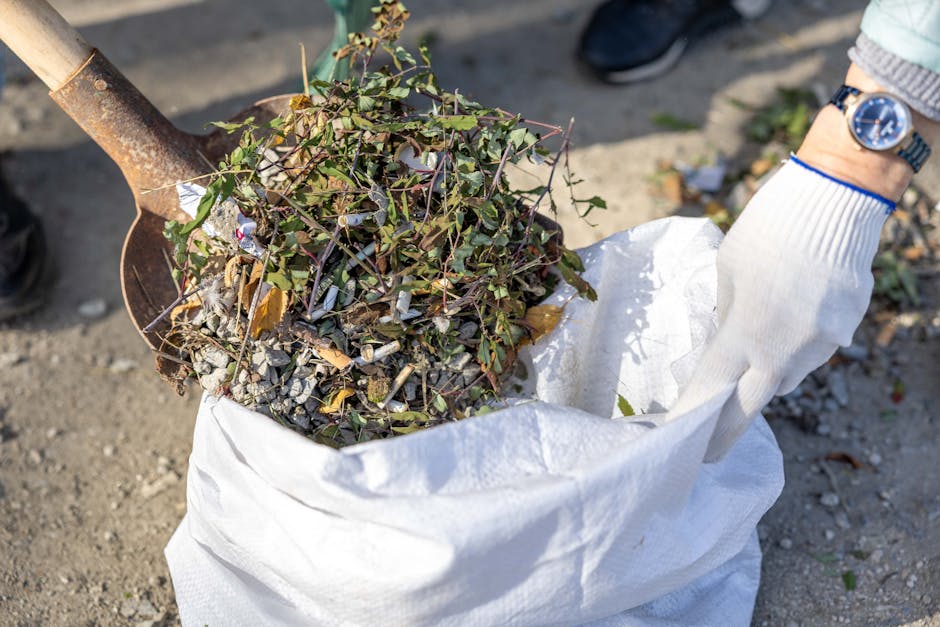
Emergency garden clearance Herne Hill same day gardeners near me
If you have ever looked out at a garden that has suddenly tipped from "a bit messy" into "we need this sorted today," you will know the feeling. Broken branches after a blowy night, a pile of green waste blocking access, brambles taking over a path, or a front garden that simply needs clearing before visitors arrive - these are exactly the moments when Emergency garden clearance Herne Hill same day gardeners near me becomes more than a search phrase. It becomes a practical lifeline.
This guide explains what same-day emergency clearance usually involves, who it suits, how the process works, and what to look for if you need quick help in Herne Hill. We will keep it grounded, local, and useful. No fluff. Just the sort of advice that helps you make a calm decision when everything feels a little rushed.
For broader support across regular upkeep and one-off jobs, it can also help to understand the wider range of options in services overview, garden clearance, and garden maintenance. Different problems need different approaches, and the right one saves both time and money.
Practical summary: Emergency garden clearance is about restoring safety, access, and order quickly. The best same-day gardeners near you will assess the job fast, prioritise hazards first, remove waste responsibly, and leave the space usable again without turning a tidy-up into a bigger project than it needs to be.
Table of Contents
- Why emergency garden clearance matters
- How same-day garden clearance works
- Key benefits and practical advantages
- Who this is for and when it makes sense
- Step-by-step guidance
- Expert tips for better results
- Common mistakes to avoid
- Tools, resources and recommendations
- Law, compliance, standards, and best practice
- Options, methods, or comparison table
- Case study or real-world example
- Practical checklist
- Conclusion
- Frequently asked questions
Why Emergency garden clearance Herne Hill same day gardeners near me Matters
Emergency clearance is not just about aesthetics. In a real-world local setting, it often comes down to access, safety, and preventing a small issue from turning into a bigger one. A fallen branch can block a side return. An overgrown hedge can hide broken fencing. Wet leaves can make steps slippery. A dumped pile of garden waste can attract pests or simply make a property look neglected at the worst possible moment.
That matters in Herne Hill because many gardens here are compact, shared, or closely bordered. When access is tight, even a modest amount of debris can feel like a major obstruction. A same-day gardener is not there to overcomplicate things. They are there to make the space safe, clear, and manageable, often within a single visit.
There is also a peace-of-mind factor. Let's face it, when a garden is suddenly out of control, it can feel oddly stressful. You look out the window, see the mess, and your brain starts listing half a dozen things you do not have time for. A fast clearance service breaks that cycle. It gets the immediate problem out of the way, then gives you a proper starting point for whatever comes next.
If the issue is part of a larger seasonal decline, it can help to think in stages. Clearance first. Then ongoing maintenance. Then maybe longer-term work like landscape gardening or landscaping if the garden needs a more meaningful reset. Not every messy garden needs a full redesign, of course. But sometimes it is the right conversation to have once the immediate pressure has eased.
How Emergency garden clearance Herne Hill same day gardeners near me Works
Same-day clearance is usually straightforward, but the best jobs still follow a clear process. The aim is to respond quickly without cutting corners. A decent team will start by understanding what needs removing, how urgent it is, and whether any hazards are involved. If there is storm damage, unstable branches, sharp debris, or blocked access, those are handled first.
In practice, the process often goes like this:
- Initial contact and job description - You explain what has happened, what the garden looks like, and what you need cleared today.
- Fast triage - The gardener identifies whether the job is a simple green waste removal, a full clearance, or something that needs specialist care.
- Arrival and assessment - On site, they check access, load size, safety concerns, and disposal needs.
- Priority clearance - Hazardous or obstructive items are removed first, followed by the main bulk of debris.
- Waste collection and tidy finish - Waste is bagged, loaded, and cleared away, leaving the area usable rather than half-finished.
When people search for same-day gardeners near me, they usually want speed, but speed only works if it is organised. A good emergency clearance feels calm on site. Tools come out, the route is planned, the obvious risks are checked, and the area is dealt with in a practical order. No drama. No wandering around with rakes for twenty minutes wondering where to start. We have all seen that sort of job, and frankly it is not what you want when time matters.
For urgent work, it also helps if the provider is transparent about what they can and cannot do on the same day. For example, a light clearance may be realistic immediately, while larger tree work or structural landscaping might need more time. If there are trees involved, you may need to look at tree lopping and removal rather than general clearance alone.
Key Benefits and Practical Advantages
The obvious benefit is time. But there is more to it than that. Emergency clearance often prevents inconvenience from spreading. A blocked gate becomes a missed delivery. A dumped branch pile becomes a trip hazard. A neglected front garden can create a poor first impression in a matter of hours, not weeks.
Here are the main advantages people usually value most:
- Fast restoration of access - paths, gates, drives, and side returns are cleared quickly.
- Reduced safety risk - trip hazards, unstable debris, and obstructive overgrowth are tackled early.
- Less stress - someone else handles the mess, the lifting, and the disposal.
- Cleaner presentation - useful if you are expecting guests, tenants, buyers, or tradespeople.
- Better next-step planning - once the clutter is gone, you can see what the garden actually needs.
There is also a financial upside in avoiding delay. Small problems are often cheaper to handle before they grow. A pile of wet clippings left to rot can become harder to remove. Brambles left unchecked can spread into fences or neighbouring boundaries. A quick clear-out does not magically fix everything, but it often stops the slow creep of avoidable damage.
And for the record, sometimes a garden just needs a blunt reset. Not a full life overhaul. Just a tidy, decisive intervention. Very satisfying, actually.
Who This Is For and When It Makes Sense
This kind of service suits anyone who needs the garden back under control without waiting for a routine booking slot. In Herne Hill, that could be homeowners, landlords, tenants moving out, property managers, or families preparing for an event at short notice.
Typical situations include:
- storm debris blocking a garden or pathway
- overgrown vegetation hiding access points
- rubbish, clippings, or cuttings piled up after an unfinished DIY attempt
- rapidly growing hedges or shrubs causing boundary problems
- post-tenancy garden neglect before handover
- pre-sale tidy-ups where presentation matters
- areas made unsafe by slippery leaves, broken branches, or tangled plant growth
It also makes sense when a garden is too much for one person to tackle in a single session. You might be physically able to do it, but not today. That is perfectly normal. Same-day gardeners are often called in precisely because life has happened: work has piled up, weather has knocked things about, or a project has stalled halfway through.
If the garden is not urgent but simply needs disciplined attention, you may be better served by routine help such as lawn mowing or hedge trimming. But if the space feels unsafe, inaccessible, or embarrassing enough that you want it sorted today, emergency clearance is the right frame of mind.
Step-by-Step Guidance
If you are arranging a same-day job, the easiest way to avoid confusion is to approach it in stages. This is the part many people skip, then wonder why the appointment feels rushed. A little preparation goes a long way.
1. Identify the urgent problem
Be specific. Is it fallen branches, overgrown brambles, accumulated waste, broken fencing, or a combination? A clear description helps the gardener bring the right equipment and plan the right amount of time.
2. Separate "must clear now" from "nice to clear later"
Not everything in a chaotic garden needs to be removed today. Make a quick mental split between hazards, access issues, and general tidying. This keeps the job focused and realistic.
3. Check access points
Can a person, wheelbarrow, or vehicle get near the garden? Are there narrow passages, locked gates, or shared entrances? In a tight Herne Hill property, access can matter almost as much as the clearance itself.
4. Mention waste volume honestly
A "small pile" can mean wildly different things to different people. If it is more than a couple of bags, say so. It helps the gardener estimate tools, loading time, and disposal arrangements more accurately.
5. Ask what the finish will include
Will the job end with a basic clear-out, a swept tidy, or a more thorough reset? The phrase "garden clearance" can mean different things in different contexts, so it is sensible to confirm expectations before work starts.
6. Make a note of anything fragile or restricted
Pot plants, buried cables, soft paving, loose slabs, and delicate borders should be pointed out if relevant. A quick five-minute walk-through can save a lot of awkwardness later.
7. Confirm disposal and recycling handling
Ask how waste will be removed and whether it will be sorted responsibly. A professional service should be able to explain the basic process clearly, without making a song and dance about it.
If the job is part of a larger property refresh, you may want to line it up with recycling and sustainability expectations, especially if the clearance includes a lot of green waste or mixed materials. Sensible sorting is not glamorous, but it matters.
Expert Tips for Better Results
Experience teaches you a few useful things. The first is that emergencies are easier to manage when people stay realistic. The second is that gardens usually tell you what they need if you look closely enough. A tangled edge near the fence often means the problem is partly maintenance, partly clearance. A soggy corner with moss and fallen stems may need better drainage later. Clear the immediate mess first, then assess the bigger picture.
Here are a few practical tips that make same-day clearance smoother:
- Be honest about urgency - if access is blocked or someone could trip, say so directly.
- Photograph the area first - not for show, just to help explain the scale of the job.
- Keep pets and children away - tools, cut branches, and movement in a tight space can be distracting.
- Ask for a "safe first" approach - hazards dealt with before cosmetic tidying.
- Don't over-specify every detail - let the team work efficiently; sometimes less instruction is better.
A good gardener will also know when to pause and reassess. For instance, a branch that looks manageable from the patio may be sitting under tension. Or a pile of clippings may conceal something heavier underneath. That is why proper judgment matters. Not just muscle.
One small thing that helps: if you have compost bins, a recycling area, or a side access path, point it out early. It saves time. Simple as that.
Common Mistakes to Avoid
Emergency jobs can go sideways when people assume they need to solve everything at once. They do not. A few well-chosen decisions are usually enough.
- Booking too late in the day - same-day jobs are easier to fit in when you call earlier.
- Underestimating the volume - a garden bag or two can turn into a van load very quickly.
- Mixing clearance with redesign - urgent clearance and full landscaping are different tasks.
- Ignoring access issues - narrow side returns and shared entries are important operational details.
- Expecting everything to be perfect in one visit - sometimes the right outcome is "safe, clear, and ready for next steps."
Another common mistake is trying to sort out wet, heavy, or thorny waste without the right kit. That sounds brave for about ten minutes, then becomes very un-brave. Gloves snag, bags split, and the whole job gets slower. Better to let someone with proper tools handle the rough stuff.
If you do want to keep the garden in a better state after the emergency visit, regular support from garden maintenance is often the simplest next move. It is much easier to stay on top of a cleared garden than to rescue one every few months.
Tools, Resources and Recommendations
You do not need a huge kit to understand what a decent clearance service should bring. But it helps to know the basics, so you can judge whether the job is being handled properly.
| Tool or resource | Why it matters | What to look for |
|---|---|---|
| Heavy-duty gloves | Protects hands from thorns, splinters, and rough debris | Proper grip and durable material |
| Cutting tools | Useful for brambles, stems, and small branch removal | Clean, sharp, suitable for the material |
| Rakes and grabbers | Speeds up clearance of leaves, clippings, and loose waste | Enough tools for the job size |
| Wheelbarrow or carrier | Helps move waste efficiently through narrow access | Practical for the layout of the property |
| Waste bags or containers | Keeps loose material contained during removal | Strong enough not to tear mid-job |
| Vehicle loading method | Ensures waste leaves the property cleanly | Organised loading, not random piling |
As a recommendation, do not judge a clearance service only by how fast they say yes. Judge them by whether they ask sensible questions. The better the questions, the better the outcome tends to be. That includes practical things like access, waste volume, and whether any part of the garden needs special care.
If the job is urgent but not straightforward, a team that can explain options clearly is usually worth more than one that promises miracles. Honest planning beats optimistic chaos every time.
Law, Compliance, Standards, or Best Practice
Emergency garden clearance is not usually a heavily regulated activity in itself, but there are still sensible standards and duties to keep in mind. In the UK, waste should be handled responsibly, and any contractor should be careful about where garden waste goes. If a service is dealing with waste removal, it should be able to describe its process in plain terms and treat the material appropriately.
Health and safety matters too, even for small jobs. That means considering sharp tools, unstable branches, slippery surfaces, hidden debris, and safe movement through the property. Good practice also includes making sure the team understands the access route before they start lifting heavy or awkward material.
Where tree work is involved, caution is even more important. A branch that looks minor may not be minor. If a tree or large limb is part of the emergency, a dedicated service such as tree lopping and removal may be the more appropriate route. Likewise, if the issue is tied to ongoing upkeep, a routine plan is often the better long-term answer.
For trust, it is reasonable to look for clear policies around safety, insurance, payment, and complaints handling. Those details are not glamorous, but they matter when you are inviting someone onto your property in a hurry. A company that is open about how it works tends to reduce worry before the work even begins. You can also review details such as insurance and safety, health and safety policy, and payment and security to understand how the business approaches those basics.
Options, Methods, or Comparison Table
Not every urgent garden job needs the same response. The right choice depends on what is actually happening on site. Here is a simple way to compare common approaches.
| Option | Best for | Typical strengths | Limitations |
|---|---|---|---|
| Same-day emergency clearance | Blocked access, hazards, immediate mess | Fast response, restores usability quickly | May not include deeper garden improvements |
| Standard garden clearance | Large tidy-ups that are urgent but not critical | More flexible, often suitable for bigger clear-outs | May not be immediate |
| Garden maintenance visit | Ongoing control after clearance | Keeps growth in check and prevents repeat problems | Not designed for heavy initial clearance |
| Landscaping or redesign | When the space needs a fresh layout or structural change | Long-term improvement and better use of the garden | Not a fast fix, usually more involved |
In many cases, the best answer is a combination. For example, clear the problem today, then arrange follow-up care later. That is often the calmest and most efficient way to handle a garden that has been neglected for a while. It is a bit like tidying a house before redecorating. You want to see the bones of the thing first.
Case Study or Real-World Example
Picture a typical late-afternoon call in Herne Hill. A homeowner has a side return partly blocked by storm-blown branches, wet leaves, and broken stems from an overgrown shrub. They have relatives arriving the next morning, and the path is awkward enough that nobody wants to be picking their way through it in the dark.
The job is not a full redesign. It is a rapid clear-out. The gardener arrives, checks access, confirms the branch pile, and deals with the hazard first. The side passage is cleared so people can move safely. Then the loose clippings are gathered, bagged, and removed. A final sweep leaves the space usable again. It is not showroom-perfect, but it is safe, tidy, and ready.
What made the difference? A few simple things: clear communication, realistic expectations, and a focus on the immediate issue rather than trying to solve the whole garden in one dramatic swoop. The homeowner later schedules hedge work and a more regular maintenance plan. That is the sensible follow-through.
Truth be told, most emergency jobs are like that. They are not about grand transformations. They are about getting control back.
Practical Checklist
Use this quick checklist before you book or while you are waiting for the team to arrive:
- Identify the main hazard or obstruction.
- Take a photo if it helps explain the scale.
- Check whether access is clear for people and equipment.
- Remove pets, toys, and anything fragile from the work area.
- Separate urgent clearance from longer-term garden improvements.
- Confirm whether waste removal is included.
- Ask about timing and how same-day arrival is handled.
- Point out hidden issues such as buried lines, loose paving, or weak fencing.
- Decide whether follow-up maintenance may be needed.
- Keep your expectations practical: safe, clear, and tidy first.
That last one matters more than people think. A focused emergency clearance is often the difference between panic and progress.
Conclusion
When a garden suddenly becomes unsafe, blocked, or overwhelming, same-day clearance is about more than speed. It is about restoring order with as little fuss as possible. If you are searching for Emergency garden clearance Herne Hill same day gardeners near me, the smartest next step is to choose a team that responds quickly, asks the right questions, and handles the job with care as well as pace.
The best outcome is usually simple: the hazard is gone, the space is usable, and you can breathe again. After that, you can decide whether the garden needs maintenance, trimming, waste recycling, or a more substantial refresh. One step at a time. That is how these things are handled properly.
If you want to understand the wider service options before you book, take a look at services overview or explore the company background on about us. If you are ready to move quickly, the next sensible step is to make contact and explain the issue clearly.
Get a free quote today and see how much you can save.
Sometimes a garden just needs a fast reset and a steady hand. Nothing fancy. Just the right help at the right time.
Frequently Asked Questions
What counts as emergency garden clearance in Herne Hill?
It usually means any urgent outdoor job that affects safety, access, or immediate usability. That might include storm debris, blocked paths, collapsed branches, or a garden that needs clearing before an important event or property handover.
Can same-day gardeners really come out today?
Often, yes, if the schedule and job size allow it. The earlier you call, the better the chances. Small or medium clearances are usually easier to fit in than larger, more complex jobs.
Is emergency clearance the same as regular garden clearance?
Not quite. Regular clearance can be planned in advance, while emergency clearance is prioritised for speed and safety. The work may overlap, but the timeline and urgency are different.
What should I tell the gardener before they arrive?
Describe the main issue, how much material there is, whether access is difficult, and whether there are hazards like sharp debris or unstable branches. A few honest details save a lot of back-and-forth later.
Do I need to be on site during the clearance?
Usually it helps, at least at the start, so you can show access points and point out the problem areas. Some jobs can be handled with minimal supervision once the scope is clear, but that depends on the arrangement.
Will the team take away all the waste?
That depends on the service agreed. It is worth confirming whether waste removal is included, especially for emergency work where the whole point is to leave the space clear, not just neater than before.
What if my garden issue involves a tree or large branch?
Then a dedicated tree service may be more suitable. If the issue involves larger limbs, unstable growth, or material that needs specialist handling, consider tree lopping and removal rather than general clearance alone.
How do I know if I need maintenance after the clearance?
If the garden keeps becoming overgrown or untidy after a few weeks, routine upkeep is probably the missing piece. A one-off clearance solves the immediate problem, but maintenance helps stop it returning so quickly.
Are there any safety concerns I should think about first?
Yes. Wet surfaces, hidden debris, broken glass, unstable branches, and tight access all matter. If anything looks risky, mention it before the team starts work. Better safe than sorry, and that is not just a saying for once.
Can emergency clearance be combined with hedge trimming or mowing?
Sometimes it can, if the timing and site conditions make sense. But it is best not to assume. Some jobs are better handled as clearance first, then hedge trimming or lawn mowing afterwards.
How can I keep the garden from getting like this again?
The simplest answer is regular maintenance, even if it is light-touch. A short recurring visit can prevent the kind of buildup that leads to an emergency call. It is usually cheaper and far less stressful in the long run.
What should I look for in a trustworthy local gardener?
Look for clear communication, sensible questions, transparent pricing, and a professional approach to safety and waste handling. Useful pages such as pricing and quotes and insurance and safety can help you judge whether the service feels properly run.