Recycling and Sustainability at Gardening Herne Hill
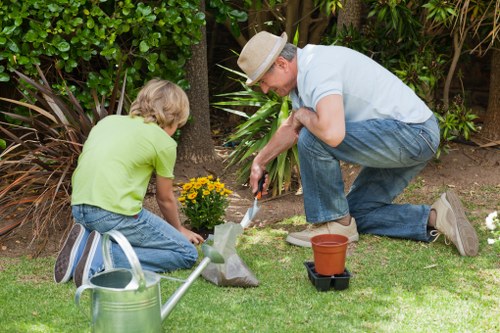 Gardening Herne Hill is committed to building an eco-friendly waste disposal area and a robust sustainable rubbish gardening area across the neighbourhood. Our approach blends practical garden waste management with community-led reuse and circular-economy thinking. By prioritising low-impact transport, local transfer station coordination, and charity partnerships, we create a greener, cleaner Herne Hill that respects borough waste separation policies while pushing for higher recovery rates.
We set a clear recycling percentage target for our operations: 70% recycling and recovery of all garden and site waste by 2028. This target covers green waste, compostable materials, inert soils, wood, metals and reusable items diverted from landfill. Achieving this relies on accurate sorting at source, consistent separation of food and garden waste from mixed refuse where borough schemes allow, and using designated drop-off points instead of skip-based disposal.
 Our site procedures mirror local boroughs' approach to waste separation, working within Lambeth and adjacent borough frameworks that emphasise separate collections for food/green waste, plastics, paper/card and residual rubbish. The map of actions includes liaison with municipal waste teams to ensure garden compostables follow the right stream, and that recyclables are delivered to appropriate local transfer stations and civic amenity centres for processing.
To support the sustainable rubbish gardening area we operate a combination of onsite processing and external transfer. Onsite measures include high-efficiency windrow composting, chipping of branches for mulch, and secure sorting bays for wood, metal and plastic. Where materials must leave site, we coordinate with local transfer stations to reduce haulage distances and double-handling. These transfer facilities act as staging points where separated streams are bulked for onward recycling, keeping our carbon footprint lower than ad hoc landfill deliveries.
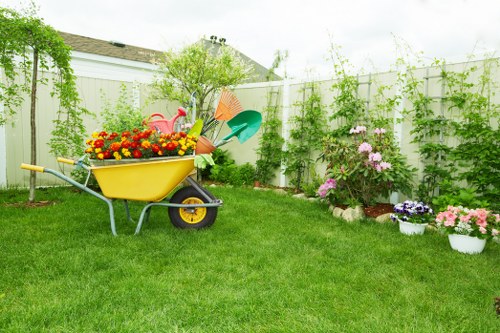 A vital part of our model is partnerships with charities and reuse organisations. Instead of consigning usable tools, soil conditioners, pots and surplus plants to waste, we work with local community gardens, social enterprises and charities to redistribute items. Key activities include:
- Donations of good-condition tools and planters to community allotments and youth projects
- Collection programmes for surplus plants and seeds with local green charities
- Collaborative reuse drives that feed community swap events
We also support neighbourhood circularity by maintaining a visible, labelled recycling and composting hub at our yard where residents and volunteers can drop off small quantities of green waste, cleaned plastic pots and cardboard. This hub operates with clear signage to respect borough sequencing for separation and to minimise contamination: clean plastics in one bay, cardboard and paper in another, and uncontaminated green waste in the composting area. These efforts help increase the overall recycling and sustainability of gardening activity in Herne Hill.
 Transport emissions are a major focus: our fleet strategy centres on low-carbon vans and micro-vehicles. We have phased in electric and hybrid vans for routine collections and deliveries, and where access is constrained we use cargo bikes for short runs. This shift to low-carbon vans and non-motorised collection methods reduces local air pollution, road noise and the embedded carbon of site operations, helping us meet our net-zero ambitions while still serving the community effectively.
 Accountability and tracking are built into the program. We log tonnes diverted, record trips to transfer stations, and report annually on progress toward the 70% recycling percentage target. Our reporting highlights reductions in residual waste and increases in reused items passed to charities and community groups. Continuous improvement actions include training volunteers and staff in separation standards, investing in better on-site sorting infrastructure, and expanding charity partnerships to widen the reach of reused materials.
Beyond operational measures, Gardening Herne Hill fosters behaviour change across the neighbourhood. We run workshops with community groups on composting best practice and small-scale reuse, host seasonal swap-days for pots and tools, and help residents understand borough collection timetables so more items enter recycling streams correctly. These community-focused activities complement our physical eco-friendly waste disposal area, amplifying local recycling rates and resilience.
The result is a measurable uplift in the area’s environmental performance: more green waste processed locally, fewer skip-related journeys to landfill, and enhanced reuse networks that keep useful gardening materials circulating. Our combined strategy — targeting 70% diversion, partnering with charities, coordinating with local transfer stations, and operating a fleet of low-carbon vans — positions Gardening Herne Hill as a practical model for sustainable gardening waste management in London borough contexts.
We remain committed to evolving our sustainable rubbish gardening area in line with borough policies and community needs, ensuring that Herne Hill grows greener, cleaner and more circular with every season.
Key elements at a glance
What we prioritise:
- Recycling percentage target: 70% by 2028
- Local transfer stations: coordinated drop-off and staging to reduce haulage
- Charity partnerships: redistribution of usable goods to community groups
- Low-carbon vans: EV and hybrid vehicles, plus cargo bikes for last-mile work
- Site separation: dedicated bays for green waste, wood, metal, plastics and cardboard
Together these components create a resilient, sustainable gardening waste system for Herne Hill that protects the local environment and strengthens community reuse networks.