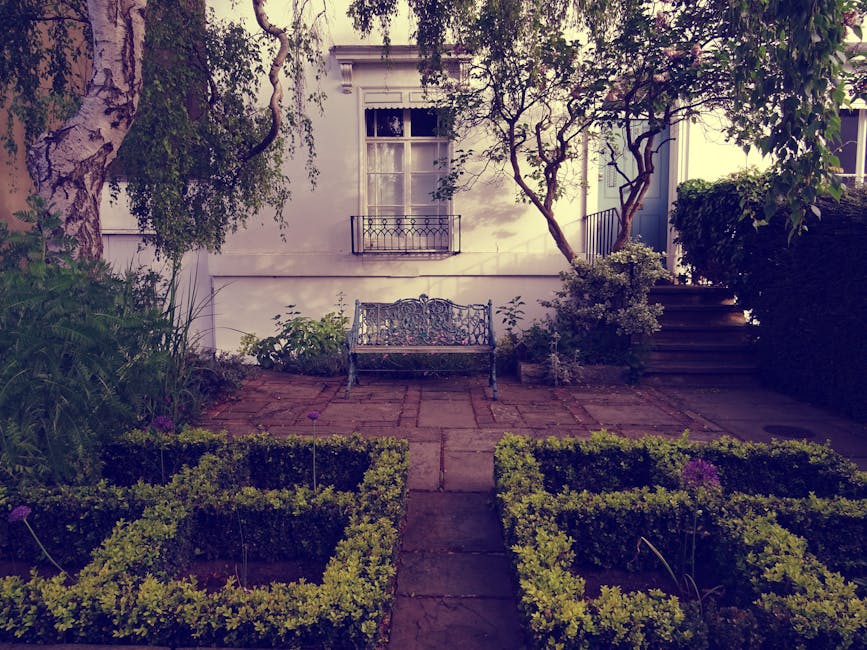
Herne Hill station garden tips from local gardeners
If you live, work, or commute through Herne Hill, you will know that small green spaces can make a surprisingly big difference. A well-kept station garden softens the daily rush, gives the area a calmer feel, and makes the walk to the platform a bit more pleasant on a damp Monday morning. This guide to Herne Hill station garden tips from local gardeners brings together practical advice for planting, maintaining, and protecting a station-side garden in a busy London setting.
Truth be told, station gardens are not like neat suburban borders with all the time in the world. They deal with footfall, air pollution, shade from buildings, compacted soil, lost gloves, the odd coffee cup, and weather that can turn in an afternoon. That is exactly why local knowledge matters. The tips below focus on what actually works around Herne Hill: tough plants, simple upkeep, sensible seasonal routines, and the small details that keep a shared garden looking cared for rather than merely surviving.
For readers looking for broader support, planning, or professional help, you can also explore the services overview and learn more about the team behind the site. If you already have a project in mind, the contact page is the quickest next step.
Table of Contents
- Why Herne Hill station garden tips from local gardeners matters
- How Herne Hill station garden tips from local gardeners works
- Key benefits and practical advantages
- Who this is for and when it makes sense
- Step-by-step guidance
- Expert tips for better results
- Common mistakes to avoid
- Tools, resources and recommendations
- Law, compliance, standards, or best practice
- Options, methods, or comparison table
- Case study or real-world example
- Practical checklist
- Conclusion
- Frequently asked questions
Why Herne Hill station garden tips from local gardeners matters
Herne Hill station sits in a part of London where people notice the details. A station garden is not just decorative; it changes the tone of the space. Even a modest planting scheme can make a platform approach feel more welcoming, help guide movement, and give regular commuters a small burst of green in the middle of the day. That might sound minor, but on a crowded route it adds up.
Local gardeners tend to understand the area in a way that generic advice does not. They know which corners dry out fast, where the wind seems to tunnel through, and how quickly a bed can go from tidy to scruffy if the planting is too fussy. They also know the social side of it. Shared spaces need plants that are resilient and attractive, yes, but also easy for volunteers, caretakers, or grounds teams to maintain without needing constant intervention.
There is another reason this matters. Station gardens are often seen by thousands of people, but they are maintained by very few. That imbalance means planning has to be realistic. If the design depends on weekly deadheading, specialist pruning, or constant replacement, it will probably drift. Better to choose a smaller number of reliable plants, place them well, and build a routine that ordinary people can keep going.
Expert summary: the best station gardens are usually not the most ambitious ones. They are the ones that are easy to maintain, visually calm, and resilient through the rough-and-tumble of daily use.
How Herne Hill station garden tips from local gardeners works
In practice, station gardening in Herne Hill works best as a blend of observation, simple design, and steady maintenance. Local gardeners usually start by looking at three things: light, foot traffic, and soil condition. Those three factors shape nearly every good decision that follows.
First, the light. A station garden near buildings, fences, or overhangs may be in shade for much of the day. That means choosing shade-tolerant plants where needed, rather than forcing sun-loving varieties to struggle. Second, foot traffic. People will edge round the beds, lean over them, and sometimes cut across them. Paths, borders, and visible edging need to be planned with that reality in mind. Third, soil. In urban gardens, soil can become compacted quickly, and compacted soil is a quiet problem that causes poor drainage, weak roots, and disappointing growth.
Local gardeners also tend to work with a seasonal rhythm rather than a one-off makeover. Spring is for establishing, summer for watering and light shaping, autumn for tidying and protecting, and winter for structure and repair. Not glamorous, maybe, but it works. And in a station setting, boring consistency is often the secret ingredient.
Another piece of the puzzle is choosing plants with long visual value. A station garden benefits from species that provide texture, evergreen structure, and flowers or foliage across more than one season. Otherwise, the garden can look lively for six weeks and tired for the rest of the year. Nobody wants that, let's face it.
Key benefits and practical advantages
Herne Hill station garden tips from local gardeners are useful because they make maintenance easier and results more dependable. That sounds basic, but basic is good here. A garden that is manageable is more likely to stay attractive.
- Better first impressions: A well-kept station garden gives the whole area a more cared-for feel.
- Lower maintenance pressure: Plants chosen for local conditions need less rescue work.
- Better resilience: Good planting survives heat, shade, footfall, and uneven care more effectively.
- Improved community pride: When people see a tidy, thriving garden, they tend to treat it with a little more respect.
- Seasonal interest: Thoughtful planting keeps the space interesting even when the weather is not.
- More efficient spend: Avoiding repeated replacement saves money and effort over time.
There is also a softer benefit that gets overlooked: station gardens can make waiting, passing through, or arriving feel less transactional. That small pocket of greenery gives commuters a moment of visual rest. You notice the colour, maybe the scent after rain, and for a second the day feels less frantic. It is not magic. But it is something.
Who this is for and when it makes sense
This advice is useful for a few different groups. If you are part of a local volunteer group, resident association, or station-adjacent community effort, these tips can help you make practical choices from the start. If you manage a small public-facing garden near transport links, the same applies. And if you are a homeowner or business nearby who wants a planting scheme that feels in tune with the area, there is plenty here for you too.
It makes sense to use local gardener insight when:
- the space gets regular public use
- the planting bed is small, exposed, or awkwardly shaped
- you need a low-maintenance plan, not a show garden
- you want the garden to look good in winter as well as summer
- the area has shade, dry patches, or compacted ground
- you want to avoid repeated plant loss and patchy gaps
If you are looking for professional support, a clear pricing and quotes page can help you understand the kind of budget conversation to have before work begins. That is often the difference between a vague idea and a workable plan.
And if you are still in the research stage, fair enough. Better to think it through now than plant everything in a hurry and regret half of it by August.
Step-by-step guidance
Here is a practical way to approach a station garden near Herne Hill without overcomplicating it.
1. Start with the site, not the plants
Walk the area at different times of day if you can. Look for sun, shade, puddling, windy corners, and places where people naturally gather or cut through. You are trying to understand the garden as it really behaves, not as you wish it behaved. That distinction matters.
2. Clear and prepare the soil properly
Remove debris, weeds, and compacted surface waste. If the soil is poor, improve it with organic matter where possible. In a station environment, even a modest soil improvement can make a real difference to root health. Good prep is not exciting. It is just powerful.
3. Choose plants for resilience
Prioritise hardy perennials, structural evergreens, and plants that tolerate urban conditions. Think in terms of durability first and flourish second. A plant can be beautiful and tough at the same time, thankfully.
4. Build in layers
Use a mix of heights: low edging plants, mid-level foliage, and a few taller forms for structure. Layering helps the space look intentional even when some plants are between flowering periods.
5. Keep access in mind
People need clear sightlines and easy movement. Avoid planting so densely that the edge of a path feels crowded or unsafe. In a station setting, neat boundaries matter more than you might think.
6. Set a maintenance rhythm
Decide who waters, who deadheads, who clears litter, and how often the garden gets checked. A tiny plan followed consistently beats a grand plan nobody can maintain.
7. Review and adjust
After a few weeks or months, look at what is thriving and what is sulking. Replace weak performers rather than forcing them to stay. Gardens, honestly, are full of small negotiations.
Expert tips for better results
Local gardeners usually have a few quiet habits that make a big difference. None are dramatic. All are useful.
- Choose repetition over variety. Repeating a few plant types creates calm and makes maintenance easier.
- Use mulch where appropriate. It helps retain moisture and suppress weeds, especially in dry spells.
- Think in textures, not only flowers. Leaves, stems, and evergreen shapes carry the design when blooms fade.
- Accept some seasonal roughness. A station garden does not need to look perfect every day. Slightly lived-in can still be lovely.
- Water deeply, not constantly. Shallow watering encourages shallow roots. That is a common trap.
- Protect new planting early. Young plants need time to settle before they can handle neglect, wind, or hot pavements.
- Keep a simple replacement list. If a plant fails twice, move on. No need for a relationship with a difficult shrub.
One thing local gardeners often notice is that the best-looking beds are usually the ones with a restrained palette. A few greens, one or two reliable flowering colours, and some structural shapes can look far more polished than a crowd of mismatched plants. Less fuss. Better effect.
If sustainability is part of your decision-making, it may also help to review the site's approach to recycling and sustainability. It is a sensible way to think about waste, material choice, and what happens to clippings or removed plants.
Common mistakes to avoid
Even small gardens can go sideways if the basics are skipped. The most common mistakes are usually predictable, which is useful because predictable mistakes are easier to prevent.
- Planting for looks only: Gorgeous in the nursery, miserable beside a windy station entrance.
- Overcrowding the bed: New gardens often look sparse at first, so people plant too densely. Then everything competes.
- Ignoring shade and drainage: Plants fail when the site and the species are mismatched.
- Using high-maintenance species: If a plant needs constant shaping, it is probably wrong for this setting.
- Forgetting winter structure: A garden can look empty and sad in the colder months if there is no evergreen backbone.
- Inconsistent watering: A little now and then is not the same as a proper watering routine.
- Skipping safety checks: Loose edging, slippery paths, and unstable containers can become a nuisance fast.
A lot of disappointment comes from trying to do too much at once. It sounds ambitious, and then six weeks later everyone is tired. Better to start with one clean, reliable bed than three messy ones. You will thank yourself later.
Tools, resources and recommendations
You do not need a shed full of specialist kit to manage a station garden well. In most cases, the right basics are enough.
| Tool or resource | Why it helps | Best use |
|---|---|---|
| Hand fork and trowel | Good for planting, weeding, and loosening compacted soil | Small beds and tight corners |
| Bypass secateurs | Cleaner cuts on stems and light pruning | Deadheading and tidying |
| Watering can or hose with control | Lets you direct water where it is needed | New plant establishment |
| Mulch or compost | Helps moisture retention and soil improvement | Bed preparation and seasonal refresh |
| Gloves and litter grabber | Useful for public-space maintenance | Routine care and clean-up |
| Simple maintenance log | Keeps tasks consistent across volunteers or staff | Shared gardens with rotating helpers |
For readers wanting a broader service picture, the services overview can help you understand how different garden support options fit together. If you need to clarify practical arrangements, the contact page is the obvious route.
It is also worth checking site-level details that often get overlooked, such as health and safety guidance and insurance and safety information if you are organising work in a shared or public-facing space. Those pages are not flashy, but they matter.
Law, compliance, standards, or best practice
Station gardens sit in a public or semi-public context, so good practice matters more than in a private back garden. You do not need to turn every planting plan into a formal document, but you do need to think sensibly about safety, access, and responsibility.
In the UK, that usually means keeping paths clear, avoiding obvious trip hazards, and making sure any maintenance work is done with suitable care. If people are volunteering, coordinating, or hiring help, it is sensible to understand who is responsible for what, how materials are handled, and what happens if something goes wrong. That is exactly where a clear terms and conditions page can help set expectations for paid services, and why a straightforward privacy policy matters when any personal information is collected.
If you are engaging a contractor, ask practical questions about safety processes, public liability cover, and how they manage site-specific risks. Good contractors should not be offended by that. If anything, they should welcome it. The same goes for recycling green waste responsibly and thinking about how materials are reused or disposed of. There is no glamour in it, but there is good sense.
For readers who want reassurance before making a booking, the site's payment and security information is also worth reviewing. It helps set a professional tone from the start.
Options, methods, or comparison table
Not every station garden needs the same approach. Some spaces are best kept simple and structural. Others can take more colour. Here is a practical comparison.
| Approach | Best for | Pros | Watch-outs |
|---|---|---|---|
| Low-maintenance evergreen scheme | Busy sites with limited upkeep | Reliable year-round structure, less seasonal decline | Can feel too static if not balanced with texture or occasional colour |
| Mixed perennial border | Sites with regular care and decent soil | More seasonal interest, softer and fuller appearance | Needs more pruning, dividing, and attention |
| Container-led planting | Tight or paved areas | Flexible, easier to reposition, visually immediate | Dry out quickly and need consistent watering |
| Native-focused scheme | Spaces aiming for ecological value | Supports wildlife, often well suited to local conditions | Needs thoughtful design so it still looks intentional |
In many cases, a blended approach works best. For example, a station frontage might use evergreen structure, a few hardy flowering perennials, and one or two containers for seasonal colour. That gives you the visual lift without turning maintenance into a second job. Which, to be fair, nobody needs.
Case study or real-world example
Picture a modest station-side garden with a narrow bed, partial shade, and a lot of passers-by. It starts out with a few ambitious plants that look lovely for a month and then struggle. Leaves get scorched on hot days, the soil dries out quickly, and the bed looks patchy by late summer. A local gardener takes a different approach.
They clear the bed, improve the soil, and replace the fragile planting with a smaller, more dependable mix: evergreen structure at the back, hardy flowering perennials in the middle, and low edging plants to define the path. They add mulch, set a simple watering rota, and accept that the garden needs light touch-ups rather than full-scale weekly intervention.
The result is not dramatic in the Instagram sense. There is no fireworks display of blooms. But the bed looks calmer, survives the seasons better, and feels intentional. People stop stepping into it by mistake because the edges are clearer. The volunteers can keep it going without burning out. That is the real win.
A local gardener might say, half-joking, that the garden has stopped acting like a drama queen. Fair enough. A station garden should not be dramatic. It should be dependable.
Practical checklist
Use this checklist before planting or refreshing a station garden near Herne Hill.
- Assess sun, shade, wind, and drainage across the site
- Clear debris and improve compacted soil where needed
- Choose tough, suitable plants rather than novelty varieties
- Include evergreen structure for winter interest
- Leave enough space for access and maintenance
- Mulch to help retain moisture and reduce weeds
- Set a watering schedule for new planting
- Plan who will deadhead, prune, and tidy litter
- Check edges, paths, and containers for trip hazards
- Review the planting after the first season and adjust
If you can tick most of those boxes, you are already ahead of many public-space gardens. Seriously. That basic structure carries a lot.
Conclusion
The best Herne Hill station garden tips from local gardeners come down to realism, restraint, and consistency. Choose plants that suit the site. Prepare the ground properly. Keep the design clear enough that people can use the space easily. And maintain it in a way that ordinary humans can actually sustain, week after week.
That is what turns a tricky urban patch into a garden that feels alive and cared for. Not perfection. Just good judgment, a steady hand, and a little local know-how.
If you are planning a station-adjacent garden, a refresh, or a maintenance approach that is actually manageable, take the next step and get a proper conversation started.
Get a free quote today and see how much you can save.
Frequently Asked Questions
What makes station garden planting different from ordinary garden planting?
Station gardens need tougher, lower-maintenance choices because they face more foot traffic, more exposure, and less consistent attention. The planting has to look good and cope with public use at the same time.
Which plants usually work best in a busy London station garden?
Hardy perennials, evergreen shrubs, ornamental grasses, and resilient groundcover are often sensible choices. The exact mix depends on shade, soil, and how much maintenance the space will receive.
How often should a station garden be watered?
New planting usually needs regular watering until it establishes, especially in dry spells. After that, frequency depends on the plant type, weather, soil, and whether mulch has been used. Deep, less frequent watering is often better than a quick splash.
Can a station garden still look attractive in winter?
Yes, if it includes evergreen structure, good plant shapes, and some texture. Winter interest does not need to mean flowers everywhere. Stems, foliage, and careful edging can carry the space nicely.
Is container planting a good idea near Herne Hill station?
It can be, especially where soil is poor or space is limited. The trade-off is that containers dry out fast and need more monitoring. They work best as part of a broader scheme rather than the only feature.
What is the biggest mistake people make with shared gardens?
Overcomplicating them. A shared garden is more likely to succeed when the design is simple enough to maintain without specialist skills or too much time.
How do you keep a station garden tidy without making it look bare?
Use repetition, layering, and a mix of evergreen and flowering plants. Tidy edges and purposeful planting usually look much better than a crowded, overfilled bed.
Should I use native plants in a station garden?
Native plants can be a strong choice, especially if you want ecological value and local resilience. They still need to suit the exact site, though. Native does not automatically mean low maintenance.
Do I need professional help for a small station-side garden?
Not always. But if the space is public-facing, difficult to maintain, or needs a proper refresh, professional input can save time and avoid costly mistakes. It is worth weighing up early.
How do I know whether the soil needs improving?
If water sits on the surface, plants keep failing, or the ground feels hard and compacted, the soil probably needs attention. A simple soil refresh with compost or organic matter can make a noticeable difference.
Are there safety issues to think about in a station garden?
Yes. Keep paths clear, avoid unstable edging or containers, and make sure maintenance work is planned safely. In public or shared spaces, safety is part of the design, not an afterthought.
Where should I start if I want a station garden project in Herne Hill?
Start with a site assessment, then decide whether you need planting advice, maintenance support, or a full refresh. If you are ready to move forward, the site's contact page is a straightforward place to begin.
What if I only have a very small budget?
Focus on soil prep, a limited plant palette, and reliable species. A small, well-planned garden often looks better than a larger one filled with short-lived compromises. Small can still be smart.