Lambeth Council Garden Waste Rules: What Gardeners Need to Know
If you garden in Lambeth, the waste you create is part of the job, and it needs handling properly. That sounds obvious enough, but in practice it can get messy fast: a hedge trim after rain, a lawn cut on a windy afternoon, a big clear-out before a landscaping job, and suddenly you are staring at sacks, branches, soil and the odd mystery pile of debris. This guide to Lambeth Council garden waste rules what gardeners need to know explains the practical side in plain English, so you can keep work tidy, avoid avoidable mistakes, and make better decisions about disposal.
Whether you are a homeowner doing your own borders or a professional carrying out regular maintenance, the main aim is simple: separate what counts as garden waste, know what should not go into it, and plan a disposal route that fits the job. Truth be told, the difference between a smooth clearance and a stressful one is often just a bit of planning.
Table of Contents
- Why Lambeth Council garden waste rules matter
- How Lambeth Council garden waste rules work
- Key benefits and practical advantages
- Who this is for and when it makes sense
- Step-by-step guidance
- Expert tips for better results
- Common mistakes to avoid
- Tools, resources and recommendations
- Law, compliance, standards and best practice
- Options, methods and comparison table
- Case study or real-world example
- Practical checklist
- Conclusion
- Frequently asked questions
Why Lambeth Council garden waste rules matter
Garden waste is one of those things that seems harmless until it is mixed with the wrong materials, left out incorrectly, or dumped in a way that creates extra costs. In a borough like Lambeth, where gardens vary from tiny courtyard spaces to larger shared plots, good waste handling matters for three reasons: cleanliness, compliance and efficiency.
For residents, the rules help keep collections or disposal arrangements manageable. For gardeners, they help avoid awkward conversations with clients when a skip is fuller than expected or a pile cannot be taken away as planned. And for everyone involved, the rules reduce contamination, which is just a practical way of saying that the wrong stuff in the wrong bin makes the whole thing harder to recycle or process.
There is also a reputational angle. If you are working professionally, clients notice the details. A tidy driveway, properly separated green waste, and a sensible disposal plan say a lot about how you work. Nobody remembers the lawn mow that went smoothly. They do remember a pile of soggy leaves left behind on a damp Tuesday morning.
If your wider job involves routine upkeep, you may also want to look at garden maintenance support and garden clearance services, especially when the volume of waste starts to climb after seasonal work.
Expert summary: The smartest approach to garden waste in Lambeth is not to guess. Separate green waste early, keep contaminated materials out, and choose the disposal method before the work begins. That one habit saves time, money and a lot of faff.
How Lambeth Council garden waste rules work
At a practical level, garden waste rules are about what can be collected or disposed of as organic green waste, what must be kept separate, and what happens when you do not follow those expectations. The exact collection service available to a household can change, so the safest mindset is to treat council guidance as the baseline and check the current arrangement before a big job.
In simple terms, garden waste usually means natural material from the garden. That can include grass cuttings, leaves, small twigs, hedge trimmings and plant matter. It does not mean general household rubbish, soil in bulk, rubble, treated timber, plastic pots, ties, plant labels, or anything contaminated with food waste. Mixed loads cause the most trouble, because once organic waste is contaminated it becomes harder to recycle properly.
For gardeners, this means sorting as you go. Do not leave the separation job until the end, because by then everything has merged into one damp, leafy heap and nobody enjoys untangling that. A few tubs, bags or dedicated piles make life much easier.
Professional teams often build waste handling into the job plan. For example, a hedge reduction may produce light but bulky clippings, while a border clear-out creates a smaller volume of mixed plant debris and dead stems. Different jobs, different waste profile. Sounds obvious, but it catches people out all the time.
Where a job is more complex, such as after storm damage or an overgrown plot cut back from scratch, you may need a broader clearance approach rather than routine maintenance. That is where a service like garden clearance can be more practical than trying to shift everything in small household quantities.
Key benefits and practical advantages
Following the rules is not just about avoiding problems. It actually makes gardening work cleaner, faster and cheaper in the long run. A few benefits stand out.
- Less contamination: Keeping plastic, stone and treated materials out of green waste improves the quality of what is collected or recycled.
- Better planning: Once you know what waste a job is likely to produce, you can choose bags, bins, a clearance team or a skip more sensibly.
- Lower risk of rejection: Mixed or overloaded garden waste is more likely to be refused or require sorting later.
- Tidier work areas: On a busy site, clean separation means fewer trip hazards and less time spent moving material twice.
- Stronger client confidence: Customers feel reassured when waste is handled properly. It is a small thing, but it matters.
There is a quieter benefit too. Good waste practice tends to improve the whole job. Once you begin thinking clearly about what is being cut, cleared and disposed of, the rest of the work becomes more organised. You notice this particularly with larger gardens, where one skipped step early on can create an annoying bottleneck later.
Who this is for and when it makes sense
This guidance is useful for a few different people, and their needs are not quite the same.
Homeowners with regular garden waste
If you mow the lawn, trim hedges, deadhead beds and collect leaves through the year, your priority is usually simple: keep on top of small, regular volumes. For many gardens, the problem is not one huge disposal event, but a steady trickle of cuttings and clippings that needs a rhythm.
Private landlords and property managers
Tenanted homes often generate more waste than expected, especially if a garden has been neglected for a while. A quick tidy-up before new tenants arrive may produce a surprisingly large amount of material. In those cases, disposal planning matters just as much as the cutting itself.
Professional gardeners and landscapers
If you are working for clients, you need to think about time, presentation and traceability. Waste handling can affect your pricing, your schedule and your health and safety approach. It is also part of the customer experience. Nobody wants to pay for a neat border and then see the remains sitting in black bags all afternoon.
For teams dealing with frequent upkeep, services such as lawn mowing, hedge trimming and tree lopping and removal often create different waste streams, so it helps to plan by task rather than lump everything together.
When it makes sense to act early
If the garden is already producing more waste than a normal bin or garden waste service can sensibly handle, that is the point to step back and choose a better method. Early action is easier than trying to rescue a pile that has sat for a week, gone slimy at the bottom and attracted half the neighbourhood's leaves. Not glamorous. Just true.
Step-by-step guidance
Here is a straightforward way to handle garden waste in Lambeth without making life harder than it needs to be.
- Identify the waste type. Separate green waste from general rubbish, soil, rubble and treated wood at the start.
- Set up collection points. Use bags, tubs or piles so cuttings can be sorted as you work.
- Keep contaminants out. Remove plastic ties, pots, labels, wire, string and anything non-organic.
- Check the current council arrangement. If you rely on council collection or garden waste services, confirm the latest rules before a big job.
- Estimate volume realistically. A small hedge can create more waste than it looks like from ground level. Hedges are sneaky like that.
- Choose the right disposal route. Small routine waste may suit existing collection arrangements, while larger clearances may need a dedicated service.
- Load safely. Avoid overfilling bags, lifting awkward loads alone, or stacking material so high that it collapses.
- Leave the site tidy. Sweep up loose leaves, remove stray clippings and check corners, paths and drains.
One practical tip: build a waste check into your finishing routine. Before you leave, stand back and look for anything that could blow, rot, stain or become a nuisance. On a breezy day, even a small scatter of dry leaves can travel. You will notice it the moment the wind picks up.
Expert tips for better results
Small habits make a big difference. A few that work well in real gardens:
- Cut and clear in stages: On dense or overgrown plots, it is often cleaner to work section by section rather than cutting everything first and dealing with a mountain afterwards.
- Use the right bags: Lightweight plant material, thorny cuttings and damp leaves behave differently. Overloading one type of bag can make it split at the worst moment.
- Separate woody material: Branches and thicker stems are bulkier and can be better handled separately from soft green waste.
- Watch for hidden waste: Old canes, broken pots, garden twine and buried litter often appear once the border is opened up.
- Match disposal to the season: Autumn leaf drop and late-spring cutting produce different waste patterns. Plan for that rather than being surprised every year.
If your work includes planting changes or larger design updates, it helps to think ahead about how the waste will be managed during the project. That is especially true on landscaping jobs, where excavation, turf lifting and plant removal can create a lot more than a few sacks of clippings. For that kind of job, landscape gardening support and landscaping services are often part of the same conversation as disposal.
And yes, sometimes the simplest tip is still the best one: do not leave waste sitting around while you finish other tasks. The pile grows, the tea goes cold, and somehow the job gets twice as annoying.
Common mistakes to avoid
Most garden waste problems come from a handful of predictable errors. If you avoid these, you are already ahead of the game.
- Mixing green waste with general rubbish: Food packaging, broken household items and garden waste should not be thrown together.
- Including contaminated material: Soil mixed heavily with rubble, chemicals or man-made debris is not the same as clean green waste.
- Overestimating bin space: Fresh hedge cuttings look compact until they settle. Then the bin lid will not close. Classic.
- Ignoring wet weight: Damp grass and leaf matter can become much heavier than people expect.
- Leaving sharp or awkward debris exposed: Prunings, canes and cut stems can cause cuts, punctures or trip hazards.
- Forgetting access and collection timing: If waste needs to be moved through narrow side access or collected on a schedule, the plan matters as much as the cut itself.
A surprisingly common issue is assuming all garden waste can be handled the same way. It cannot. A light lawn cut, a heavy ivy strip-out and a tree reduction are three very different jobs. If you treat them the same, disposal gets clumsy quickly.
Tools, resources and recommendations
You do not need a huge amount of kit to manage garden waste well, but the right tools make the process safer and less irritating.
| Tool or resource | Best use | Why it helps |
|---|---|---|
| Heavy-duty garden sacks | Leaves, grass, soft clippings | Keeps loose waste contained and easier to move |
| Green waste bins or containers | Routine household garden waste | Useful for regular, low-volume work |
| Tarpaulin | Temporary holding area | Makes it easier to gather and drag cuttings without scattering them |
| Secateurs, loppers and pruning saws | Woody material | Helps you cut waste down to manageable sizes |
| Work gloves and sturdy footwear | All garden clearance tasks | Reduces minor cuts, slips and handling discomfort |
| Professional clearance support | Large or mixed loads | Saves time when volume or access is awkward |
If your project involves ongoing upkeep rather than a one-off tidy, consider whether routine garden maintenance is a better fit than occasional emergency clear-outs. Regular work usually means smaller waste loads, which are much easier to manage.
For gardeners who also want to keep materials and disposal choices sensible, the recycling and sustainability page is a useful companion resource. It aligns well with the idea that garden work should be neat, practical and not wasteful. That's the aim, really.
Law, compliance, standards and best practice
Garden waste handling sits within broader UK expectations around waste segregation, duty of care, health and safety, and responsible disposal. You do not need to turn every pruning session into a legal seminar, but you do need to avoid careless handling. That is especially true if you are working professionally.
In practice, good compliance means:
- keeping waste streams separate where possible
- disposing of material through appropriate collection or licensed routes
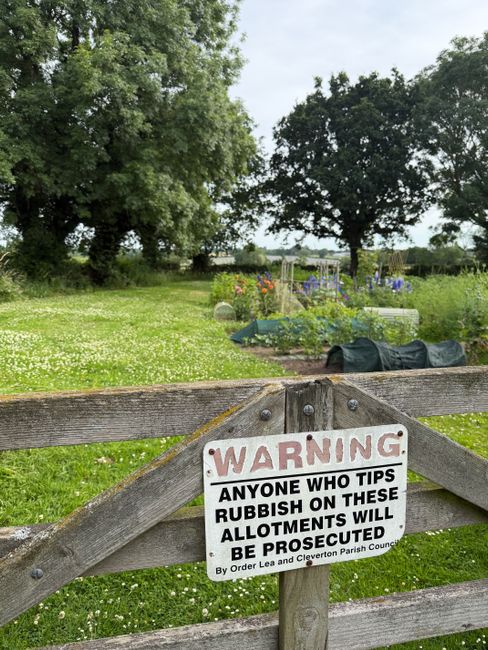
- avoiding fly-tipping or informal dumping
- managing sharp, heavy or awkward material safely
- making sure your team understands what goes where
Best practice in garden waste management is usually simple: keep clean green waste clean, keep contamination out, and document or confirm how waste is removed if you are doing paid work. That last part is easy to ignore, but important. If you are dealing with clients, trust depends on clear process, not vague assumptions.
Where a job creates more than standard green waste, such as old fencing, treated timber, building spoil or mixed debris, it should be treated differently from ordinary garden waste. Do not blur the line. A lot of compliance headaches start with one bag that had the wrong thing in it.
For businesses or contractors, it can also be sensible to review broader operational pages such as health and safety policy, insurance and safety and terms and conditions, because waste handling is rarely separate from wider working practice.
Options, methods and comparison table
There is no single best way to deal with garden waste in Lambeth. The right choice depends on volume, frequency, access and how mixed the material is.
| Method | Best for | Pros | Trade-offs |
|---|---|---|---|
| Routine council collection or bin use | Small, regular household green waste | Simple and familiar | Limited capacity; not suitable for large clearances |
| Bagged hand removal | Light to moderate cuttings | Flexible and cheap for small jobs | Time-consuming if volume grows |
| Dedicated clearance service | Big tidy-ups, overgrown gardens, mixed garden debris | Fast and convenient | Usually more expensive than doing it yourself |
| Project-based landscaping disposal plan | Redesigns, turf lifting, planting changes | Builds waste into the job from the start | Needs more planning before work begins |
To be fair, many people start with the cheapest-looking option and only later realise it is not the cheapest once time, lifting and repeat trips are counted. That is one reason a proper quote matters, especially for larger gardens or more demanding work.
If you are comparing options for a bigger project, a service overview like services overview and practical pricing guidance from pricing and quotes can help you decide whether it is worth handling waste in-house or bringing in support.
Case study or real-world example
A fairly typical Lambeth scenario goes like this. A rear garden has been left alone through most of winter. By spring, the hedge is dense, the lawn is shaggy, and the border has a layer of leaves hiding old canes, a cracked plant pot and a few odd bits of household rubbish that blew in months ago. Nothing dramatic, just a bit neglected.
The first pass is simple enough: trim the hedge, mow the lawn, lift the leaves, clear the border edges. But the waste volume is not simple at all. The hedge clippings fill bags faster than expected. The lawn cuttings are damp. The border clear-out reveals mixed debris that cannot go into green waste. If the team had planned only for a small tidy-up, the job would have stalled halfway through.
What works better in that sort of case is a staged approach. Separate soft green waste from woody material, set aside non-organic items immediately, and book disposal for a volume that matches the job rather than the original guess. The difference is night and day. The garden ends up tidy, the access path stays clear, and the work finishes without that drained, end-of-day feeling that comes from moving the same pile three times.
In larger jobs, the waste plan is not an afterthought. It is part of the job itself.
Practical checklist
Use this quick checklist before, during and after a garden waste job in Lambeth:
- Check what type of waste the job will produce.
- Separate green waste from general rubbish immediately.
- Remove plastic, wire, ties, pots and labels.
- Estimate volume honestly, not optimistically.
- Choose bags, bins or a clearance route before starting.
- Keep paths, steps and entrances clear.
- Use gloves, sturdy footwear and safe lifting technique.
- Do not overfill sacks or containers.
- Confirm how bulky, woody or mixed material will be removed.
- Do a final sweep for loose clippings and debris.
- Review whether regular maintenance would reduce future waste build-up.
That last point is worth pausing on. A little routine care often prevents the huge, messy clear-out later. Not always, but often enough.
Conclusion
Understanding Lambeth Council garden waste rules what gardeners need to know is really about making garden work easier, cleaner and less stressful. When you separate waste properly, plan disposal in advance and avoid contamination, you save time and protect the quality of the job. You also make life easier for anyone handling the waste after you.
The best gardeners are rarely the ones who rush the disposal side. They are the ones who think ahead, keep the site under control and leave things looking calm rather than chaotic. That is the bit clients remember. And honestly, it makes the work more satisfying too.
If your garden job is getting bigger than a simple tidy-up, or you want help planning the clean-up as part of the wider work, explore the right service fit and take the pressure off the day.
Get a free quote today and see how much you can save.
Frequently Asked Questions
What counts as garden waste in Lambeth?
Garden waste usually means natural plant material such as grass cuttings, hedge trimmings, leaves, small branches and prunings. It does not include household rubbish, plastic, rubble or treated wood.
Can I put soil in garden waste collections?
Not usually in any large quantity. Soil is heavy and is treated differently from green waste. If soil is mixed with stones, rubble or other contaminants, it becomes even less suitable for standard garden waste handling.
Are leaves and grass cuttings accepted as green waste?
Yes, clean leaves and grass cuttings are typically part of garden waste. The main thing is keeping them free from plastic, food waste and other contamination.
What should I do with hedge cuttings?
Hedge cuttings can usually go with green waste if they are clean and reasonably free of non-organic material. Very thick woody pieces may need separate handling depending on how much there is.
How do I dispose of large amounts of garden waste?
For larger volumes, it is usually better to plan a dedicated clearance method rather than relying on routine household disposal. A proper waste plan saves repeated trips and reduces the chance of overflow.
Do I need to separate branches from leaves?
It is often sensible to do so. Woody material and soft green waste behave differently, especially when it comes to bagging, loading and disposal. Separation also makes the job easier to manage.
Can gardeners mix old plant pots with green waste?
No, not if you want the waste to stay clean. Pots, ties, labels and other non-organic items should be removed before anything is bagged up.
What happens if garden waste is contaminated?
Contaminated waste may be harder to collect, recycle or dispose of properly. At a practical level, it can also mean more sorting, more cost or a job that takes longer than expected.
Is it better to use a regular maintenance service or a one-off clearance?
If the garden needs ongoing attention, regular maintenance usually keeps waste volumes smaller and easier to manage. If the plot is overgrown or has been neglected, a one-off clearance may be the better starting point.
How can I make garden waste jobs less stressful?
Plan the disposal route before you start, keep waste separated as you work, and avoid overfilling bags or containers. A calm, methodical approach usually beats trying to deal with everything at the end.
Do professional gardeners need to think about safety as well as disposal?
Absolutely. Handling waste safely is part of the job, especially when lifting heavy bags, clearing thorny material or working around uneven ground. Good disposal practice and safe working practice go hand in hand.
Where can I get help with a bigger garden waste job?
If the task is more than a routine tidy-up, look at a service that covers clearance, maintenance or landscaping depending on the work involved. For many gardens, the right support saves both time and backache.